

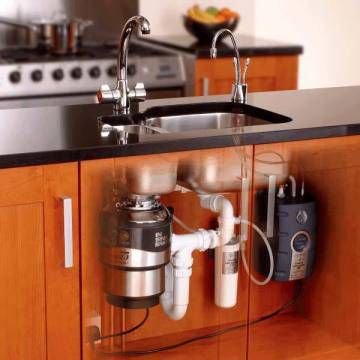
Kitchen drains handle a lot every day, and most clogs don’t happen all at once. They build up slowly from small amounts of the wrong things going down the sink. A garbage disposal helps with soft food scraps, but it isn’t a trash can, and it can’t make grease or starchy food disappear once it’s past the blades.
Here’s what to keep out of your kitchen sink and disposal, where it should go instead, and a few habits that keep everything flowing in your Toronto home.
Fats, Oils and Grease: The Number One Culprit
Cooking fat is the most common cause of kitchen drain clogs. It goes down as a warm liquid, then cools, hardens and sticks to the inside of pipes. The City of Toronto warns that fats, oils and grease build up over time and cause blockages in both private plumbing and City sewer pipes.
Grease hides in more foods than you might think:
- Bacon and meat drippings, lard and shortening
- Cooking oil, butter and margarine
- Sauces, gravies, soups and salad dressings
- Milk, cream and other dairy products
Running hot water or adding dish soap doesn’t solve the problem. It just moves the grease a little further down the line before it hardens.
What to do instead: The City recommends letting grease cool and harden, then putting it in your Green Bin. Wipe greasy pots and pans with a paper towel before washing, and put the paper towel in the Green Bin too.
Foods That Clog Drains and Jam Disposals
Even with a disposal, these are best kept out of the sink:
- Coffee grounds. They don’t dissolve. Instead, they settle in the pipe and clump into a dense sludge.
- Pasta, rice and bread. Starchy foods keep absorbing water and swelling after they go down the drain, and they can turn into a paste that sticks to the disposal and pipes.
- Fibrous vegetables. Celery, corn husks, onion skins, asparagus and similar foods have stringy fibres that can wrap around disposal parts and tangle into clogs.
- Potato peels. The starch and thin skins can form a thick paste.
- Eggshells. Opinions differ, but the thin inner membrane can wrap around parts and the gritty pieces add to buildup, so it’s safer to compost them.
- Bones, fruit pits and shellfish shells. These are too hard for most home disposals and can jam or damage the unit.
- Large amounts of anything. Even safe scraps can overwhelm a disposal if you feed it too much at once.
What to do instead: In Toronto, most food scraps belong in your Green Bin. Scrape plates into the bin before rinsing them, and keep a sink strainer in drains without a disposal to catch scraps.
Non-Food Items That Should Never Go Down the Sink
Some things cause problems far beyond your own pipes. The City of Toronto asks residents not to put these down any drain:
- Paper towels, wipes, napkins and dental floss
- Medications
- Paint, solvents and pesticides
- Cleaning products and other household hazardous waste
Also keep out twist ties, rubber bands, produce stickers, cigarette butts and anything glass or metal. Check the City’s guidance for the right way to dispose of hazardous items, since many go to a drop-off depot rather than the garbage.
Be Careful With Chemical Drain Cleaners
When a sink drains slowly, it’s tempting to reach for a chemical cleaner. These products can be harsh on older pipes and seals, and pouring them into a disposal or a fully blocked drain can leave a pool of caustic water behind. If a plunger or a simple drain snake doesn’t clear the clog, it’s usually safer to call a professional for drain cleaning.
Habits That Keep Your Disposal Working
- Run cold water before, during and for a few seconds after using the disposal to help carry scraps through the pipe.
- Feed it gradually. Add small amounts of scraps instead of the whole cutting board at once.
- Use it regularly. Running it every few days helps prevent rust and keeps parts moving.
- Clean it gently. Grinding a few ice cubes can help knock buildup off the walls of the grinding chamber.
- Never put your hand inside. If something falls in, switch off the power at the breaker or unplug the unit first, then use tongs.
If your disposal hums but won’t spin, it’s probably jammed. Many units have a reset button on the bottom and a socket for turning the motor by hand, but always cut the power first and follow the manufacturer’s instructions. If it leaks, smells constantly or keeps tripping, book a garbage disposal repair.
Signs a Bigger Clog Is Forming
- Water drains slowly from the kitchen sink even after you clear the strainer
- Gurgling sounds from the drain or nearby fixtures
- Bad smells coming back up the sink
- Water backing up into the other side of a double sink
- Several drains in the house slowing down at the same time
That last sign can point to a blockage further down the main line, not just in the kitchen. If more than one fixture is affected, or water backs up into a basement floor drain, have your sewer line checked before it becomes a mess.
Need a Plumber?
If your kitchen sink is draining slowly or your disposal has stopped working, call Northlife Plumbing at (437) 246-5507. We provide 24/7 service across North York, Toronto and the GTA, with free quotes, upfront pricing and a 1-year warranty on all our work.