
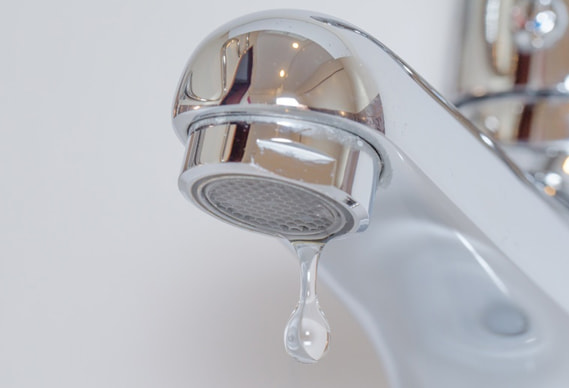
A dripping tap is easy to spot. The leaks that cause real trouble are the ones you can’t see: a pinhole in a pipe behind the drywall, a slow seep under the bathroom floor, or a toilet quietly running all night. Left alone, hidden leaks can rot subfloors, feed mould and quietly push up your water bill.
The good news is that most hidden leaks leave clues. Here are seven signs to watch for in your Toronto home, plus two simple tests you can do without any special tools.
1. Your Water Bill or Usage Jumps for No Reason
If your bill goes up but your habits haven’t changed, a leak is a likely suspect. The City of Toronto points out that when you have a leak, your water use increases and stays high until it’s fixed. Toronto homeowners can also track daily, weekly and monthly use online with the City’s MyWaterToronto tool. A steady rise, or use that never drops to zero overnight, is worth investigating.
2. The Water Meter Moves When Everything Is Off
This is the single most useful test you can do. Your meter is usually in the basement, near where the water pipe enters the house. Look for the flow indicator, which on many Toronto meters is a small red triangle or black star.
- Turn off every tap inside and outside, and make sure no appliances are running.
- Watch the flow indicator for a few minutes.
- If it moves while no water is being used, water is escaping somewhere.
To narrow it down, close the shut-off valves under sinks and behind toilets one at a time and watch whether the indicator stops.
3. You Hear Running Water When Nothing Is On
On a quiet night, listen near walls, floors and the basement ceiling. A faint hiss, trickle or drip with every tap closed often means water is moving through a pipe it shouldn’t be. Toilets that hiss or briefly refill on their own are a common culprit.
4. Stains, Bubbling Paint or Soft Drywall
Water travels before it shows up, so a stain is often some distance from the actual leak. Watch for:
- Yellow or brown rings on ceilings, especially under bathrooms
- Paint or wallpaper that bubbles, peels or looks swollen
- Drywall that feels soft or crumbly when you press it
- Baseboards that are stained, swollen or pulling away from the wall
5. A Musty Smell or Mould That Keeps Coming Back
A damp, earthy odour in one room or closet, or mould that returns no matter how often you clean it, suggests a steady moisture source. In basements this can also come from foundation seepage, so it’s worth having a professional confirm whether plumbing is to blame.
6. Warped Floors or Loose Tiles
Hardwood that cups or buckles, laminate that lifts at the seams, or tiles that sound hollow or wobble around a tub, shower or toilet can all mean water is collecting underneath. Cracked or missing grout and caulking around fixtures let water slip behind tiles over time.
7. A Toilet That Runs or Refills on Its Own
According to the City of Toronto, toilets are a common cause of leaks. A worn flapper or fill valve can waste a surprising amount of water without ever spilling a drop on the floor. Try the City’s dye test:
- Add a few drops of food colouring or a dye tablet to the tank at the back of the toilet.
- Don’t flush. Wait 10 to 15 minutes.
- If colour appears in the bowl, water is leaking from the tank.
Flappers and fill valves are often a simple fix, but if the toilet keeps running or rocks on its base, book a toilet repair before the wax seal or floor underneath is damaged.
Other Clues Worth Noticing
- Lower water pressure at several fixtures at once
- A wet patch or unusually green strip of lawn between the house and the street
- Rust, white crusty deposits or green staining on exposed pipes and fittings
- A water heater that runs more often than usual
That green strip of lawn matters in Toronto because pipe ownership is split. The City owns the water service from the main on the street to the property line, and the homeowner owns the section from the property line into the house. If you suspect a leak outside, call 311 so the City can check its side, and a plumber can look after yours.
What to Do If You Think You Have a Leak
- Limit the damage. Close the nearest shut-off valve, or the main valve if you can’t tell where the water is coming from.
- Document it. Take photos of stains, meter readings and any damage for your records and your insurer.
- Don’t open walls at random. Water travels along pipes and framing, so the wet spot is often not where the leak is.
- Get it located properly. Professional leak detection finds the source with as little demolition as possible, so the repair is targeted.
Small, visible drips are worth fixing too. A tap that won’t stop dripping usually needs a new cartridge or washer, and a faucet repair is quick and saves water every day.
Need a Plumber?
If you’ve spotted any of these signs, call Northlife Plumbing at (437) 246-5507 for a free quote. Our licensed and insured plumbers are available 24/7 across North York, Toronto and the GTA, and every repair is backed by a 1-year warranty.